What I Learned After Helping Sell 56 Palisades Lots for 70 Families Since the Fire
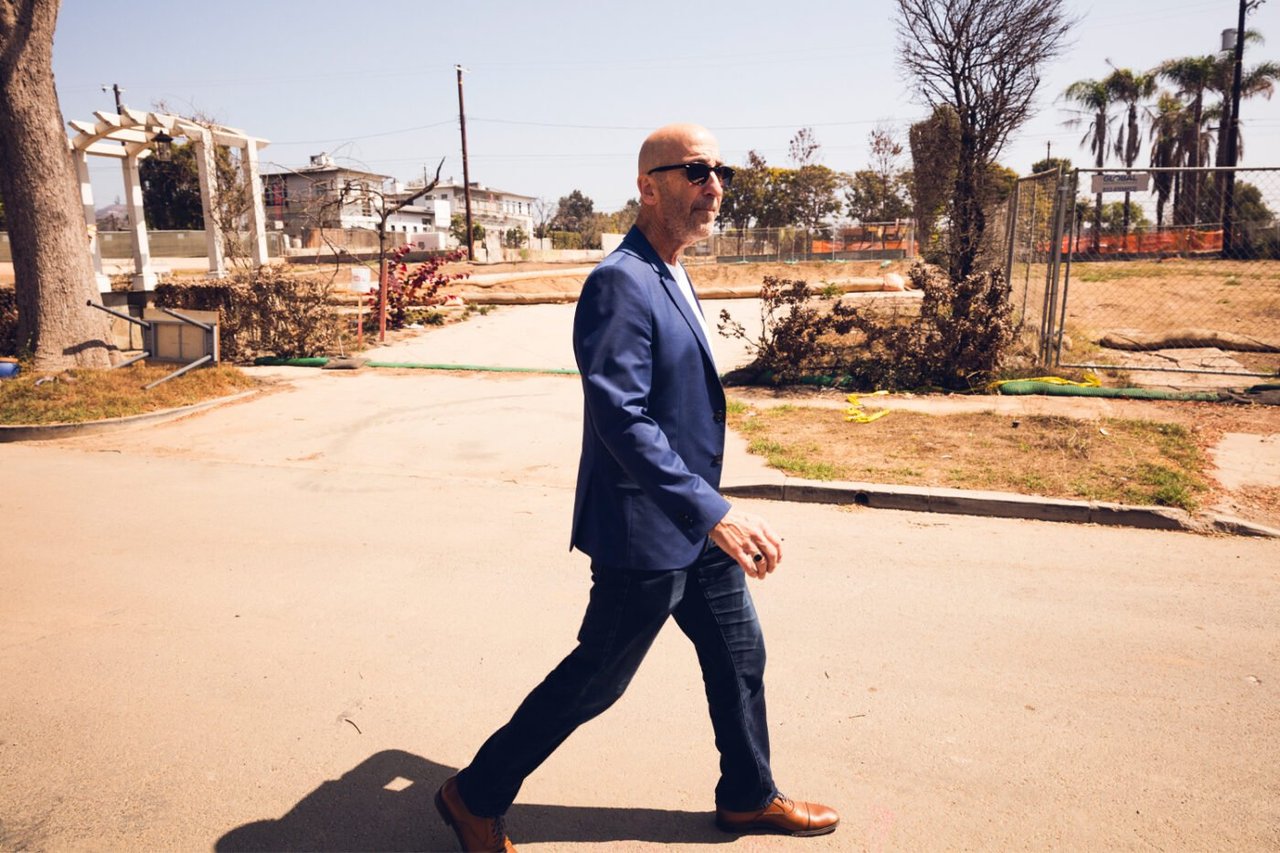
I never expected selling burned lots to become such a large part of my job.
Like thousands of other Palisades residents, my family lost our home in the January 7, 2025, Palisades fire. We also lost our office. At the same time that I was trying to figure out what came next for my own family, I was having the same conversations with hundreds of clients, friends, and neighbors.
Sell or rebuild? What is my lot worth? How long will rebuilding take? Can a buyer get insurance? What about soil contamination? Should I get plans approved before selling? And the question I probably hear more than any other: What will my property be worth a year or two from now?
I wish I had a crystal ball for that last one.
Since the fire, I've helped 70 families navigate the purchase or sale of 56 Palisades lots that ultimately closed, representing buyers, sellers, and, in some cases, both sides of the transaction. That has given me an unusual front-row seat to what has actually happened, not just what we thought might happen.
I've seen lots sell immediately and perfectly good lots sit. I've watched escrows close smoothly, and others fall apart. I've seen experienced developers misread the market and first-time land buyers become remarkably sophisticated.
Some of what I've learned confirmed what I believed after 34 years selling real estate in the Palisades.
A surprising amount of it did not.
Here are the lessons that stand out most.
One of the earliest predictions was that the Palisades would experience a flood of distressed sales.
That largely didn't happen.
Many homeowners had insurance proceeds, substantial equity, low mortgage balances, financial resources, or simply a deep emotional connection to the community.
Some chose to sell. Others immediately committed to rebuilding. Many decided to wait.
What became clear fairly quickly was that most owners had choices, and those choices helped create a very different market from the distressed-sale environment many initially predicted.
Early predictions were understandably pessimistic. The market ultimately proved more resilient.
This may be the most important real estate lesson I've learned.
With a house, buyers can fall in love. They may pay a premium because of the architecture, kitchen, landscaping, floor plan, view, or simply how the property makes them feel.
Land is different.
Buyers tend to analyze lots much more logically: size, location, topography, views, restrictions, buildability, construction costs, and the finished home's ultimately value.
That makes pricing incredibly important.
I've watched perfectly good lots sit on the market while buyers repeatedly wondered what was wrong with them.
Nothing was wrong.
The price itself had created the problem.
When a seller tries to lead the market too aggressively, buyers don't necessarily become more interested. They often become cautious.
Why hasn't someone bought it? Why is it priced so much higher than everything else? Is there something I'm missing?
The longer an overpriced lot sits, the more those questions grow. Overpricing can actually manufacture a problem that didn't exist when the property first came to market.
Knowing when a property can successfully lead the market on price, and when doing so will actually hurt it, is a real skill.
Sometimes the problem isn't the property. It's the price.
In the first months after the fire, everyone was trying to determine what a burned lot was worth.
There wasn't a roadmap. There weren't enough comparable sales. Buyers and sellers were trying to price something the Palisades had never experienced on this scale.
That changed surprisingly quickly.
As more lots sold, buyers became increasingly sophisticated. They began analyzing price per lot square foot, neighborhood differences, topography, views, rebuilding costs, restrictions, and the value of time.
They also became much better at recognizing when a seller was asking a justifiable premium and when the seller was simply testing the market.
That evolution made accurate pricing even more important.
Today's land buyer generally knows far more than the one who follows immediately after the fire.
Another surprise was how quickly post-fire land became a real estate specialty in its own right.
I've met developers with decades of construction experience and highly successful residential agents who discovered that their experience didn't necessarily translate to this very unusual market.
Understanding comparable sales is only the beginning.
You also need to understand rebuilding regulations, permitting, insurance, soil contamination, debris removal, utilities, environmental concerns, lot preparation, construction economics, and tract-specific restrictions.
Tract 9300 is a good example. Certain properties within the tract are subject to restrictions that can affect what can ultimately be built or rebuilt. A buyer who looks only at lot size and recent comparable sales without understanding those restrictions can reach a very different conclusion about value.
A successful home builder doesn't automatically understand land valuation, just as a top-producing residential agent doesn't automatically understand land sales.
Experience matters.
The right experience matters even more.
This may be my least popular opinion.
Many sellers believe Ready-to-Issue, or RTI, plans will add hundreds of thousands of dollars to their lot's value.
Sometimes they add meaningful value. But buyers often want to customize the home to suit their own family and lifestyle.
Once buyers start making substantial changes, much of the perceived advantage can disappear.
Time has value, particularly during a rebuilding process.
But approved plans don't necessarily translate into a higher sales price dollar-for-dollar.
This was one of my biggest surprises.
We've seen an extraordinarily high percentage of lots fall out of escrow, at times approaching 40% among the transactions we've tracked.
That's remarkable compared with what we typically experience in traditional residential transactions.
Some buyers became nervous. Others discovered rebuilding costs were higher than anticipated. Some encountered financing or permitting questions. Others simply became uncomfortable with the amount of uncertainty involved.
It reinforced something I've told sellers repeatedly:
Getting a lot into escrow is one accomplishment.
Getting it closed is another.
Insurance was one of the first questions nearly every buyer asked:
Can I even get insurance?
Immediately after the fire, many people predicted that insurance would severely affect values, financing, and buyer demand.
Insurance remains a legitimate concern, and costs have increased. But surprisingly, it has rarely been the reason one of these transactions ultimately died.
Buyers have generally found solutions through private carriers, the California FAIR Plan, layered coverage, or some combination of those options.
In practice, rebuilding costs, construction timelines, permitting uncertainty, pricing, and confidence in the Palisades' future have generally played larger roles in buyers' decisions.
Insurance matters.
It just hasn't been the deal killer many initially expected.
Most misinformation I've encountered wasn't malicious.
Quite the opposite.
It usually came from well-intentioned people trying to help.
But good intentions don't necessarily produce good information.
I've heard inaccurate information about permitting, insurance, soil contamination, rebuilding restrictions, construction costs, property values, utilities, and almost every other aspect of the recovery.
Sometimes I've felt like I've spent more time correcting misinformation than discussing real estate.
One homeowner hears something from a neighbor, who heard it from a contractor, who heard it from someone at City Hall, who supposedly heard it from someone else.
Three conversations later, it's a "fact."
In an uncertain environment, one of the most valuable things any professional can provide is knowing the difference between:
"I've heard."
And:
"I've verified."
Illegal dumping was definitely not on my post-fire bingo card.
Yet it became a surprisingly significant issue.
Some owners discovered dirt, debris, and other materials dumped on their vacant lots without permission. Properties that weren't being regularly monitored became convenient targets for people looking for somewhere to dispose of material.
Besides being frustrating, unauthorized dumping can create additional costs, environmental questions, and complications for an owner preparing to rebuild or sell.
It reinforced a lesson I never imagined I'd be giving homeowners:
A vacant lot still needs to be actively monitored and managed.
This may be the most personal lesson.
I've watched families struggle enormously with the decision of whether to sell or rebuild.
Some couldn't imagine living anywhere else and began rebuilding almost immediately.
Others looked at the next three to five years of their lives and decided they didn't want to spend them designing, permitting, financing, and constructing a new home.
Neither decision is wrong.
Selling doesn't mean someone loves the Palisades any less.
Rebuilding doesn't mean someone is necessarily making the better financial decision.
For many families, this isn't ultimately a real estate decision.
It's a life decision.
Immediately after the fire, there were predictions that it could take years just to get rebuilding underway.
There have certainly been delays, frustrations, and bureaucratic challenges.
But debris removal, permitting, and actual construction activity have generally progressed faster than many people initially expected.
There is still a very long road ahead.
But progress is real, and every month it becomes increasingly visible.
The community's resilience has been even more impressive.
Neighbors helping neighbors. Families supporting local businesses. Schools reopening. People sharing information and resources. Community events bringing people back together.
We're rebuilding much more than houses.
We're rebuilding a community and a way of life.
After 34 years selling real estate in the Palisades, I thought I understood this market pretty well.
Then came a market none of us had ever experienced before.
I thought there would be more distressed sales.
I thought lot inventory would peak sooner.
I thought buyers would be more concerned about financing than rebuilding costs.
And I certainly didn't expect the extraordinary number of escrows that would fall apart.
One of the most important lessons has been humility.
Anyone who tells you they accurately predicted everything that would happen after the fire is either extraordinarily lucky or has a very selective memory.
If the last 20 months have taught me anything, it's that none of us has a crystal ball.
Anyone who tells you exactly what Palisades land will be worth one or two years from now is guessing.
Values will depend on rebuilding progress, inventory, interest rates, construction costs, insurance, the broader economy, buyer confidence, and dozens of other variables none of us controls.
What we can do is study the data, understand the market, separate facts from rumors, and make the best decisions possible with the information we have today.
I'm optimistic about the Palisades.
But optimism isn't the same thing as predicting prices.
Nobody knows exactly what land will be worth one or two years from now.
What I do know is that families are committing millions of dollars and years of their lives to coming back.
And after helping 70 families navigate 56 lot sales, I've also learned three universal truths:
Everyone believes their lot is the exception to the comps.
Everyone thinks their permit should be approved first.
And everyone has a friend who knows exactly what happens next.
That last friend has had a very difficult year.
But the biggest lesson isn't really about real estate.
People aren't investing millions of dollars and years of their lives because they're betting on dirt.
They're betting on Pacific Palisades.
Twenty months later, so am I.
Stay up to date on the latest real estate trends.
September 2026
August 2026

July 2026
A Closer Look at Dallas Rental Prices, Hidden Costs, and What Renters Need to Know Before Moving
June 2026
May 2026

April 2026
March 2026
You’ve got questions and we can’t wait to answer them.