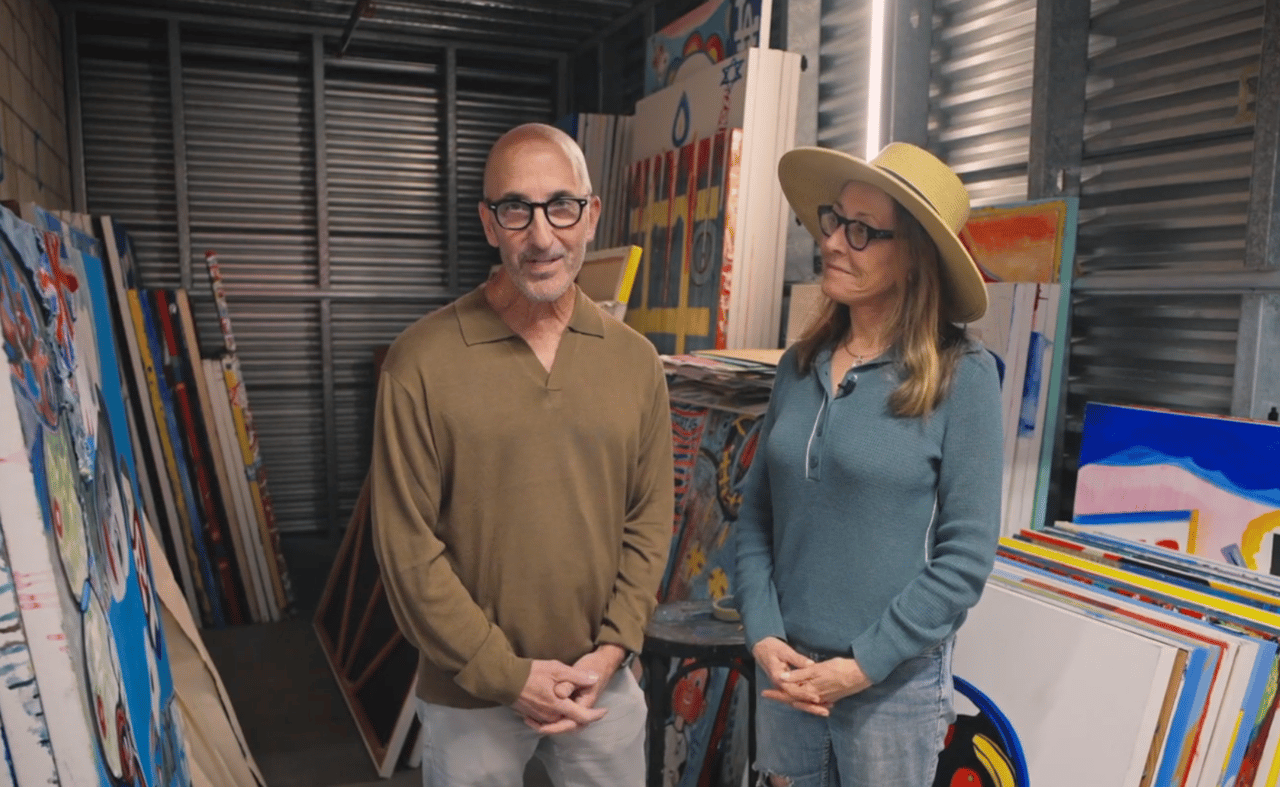
A powerful act of generosity is bringing art and hope to fire survivors. After the passing of artist Maury Ornest, his sister Laura Ornest discovered more than 1,400 paintings he had created over the years.
Foundation Work on Our Home
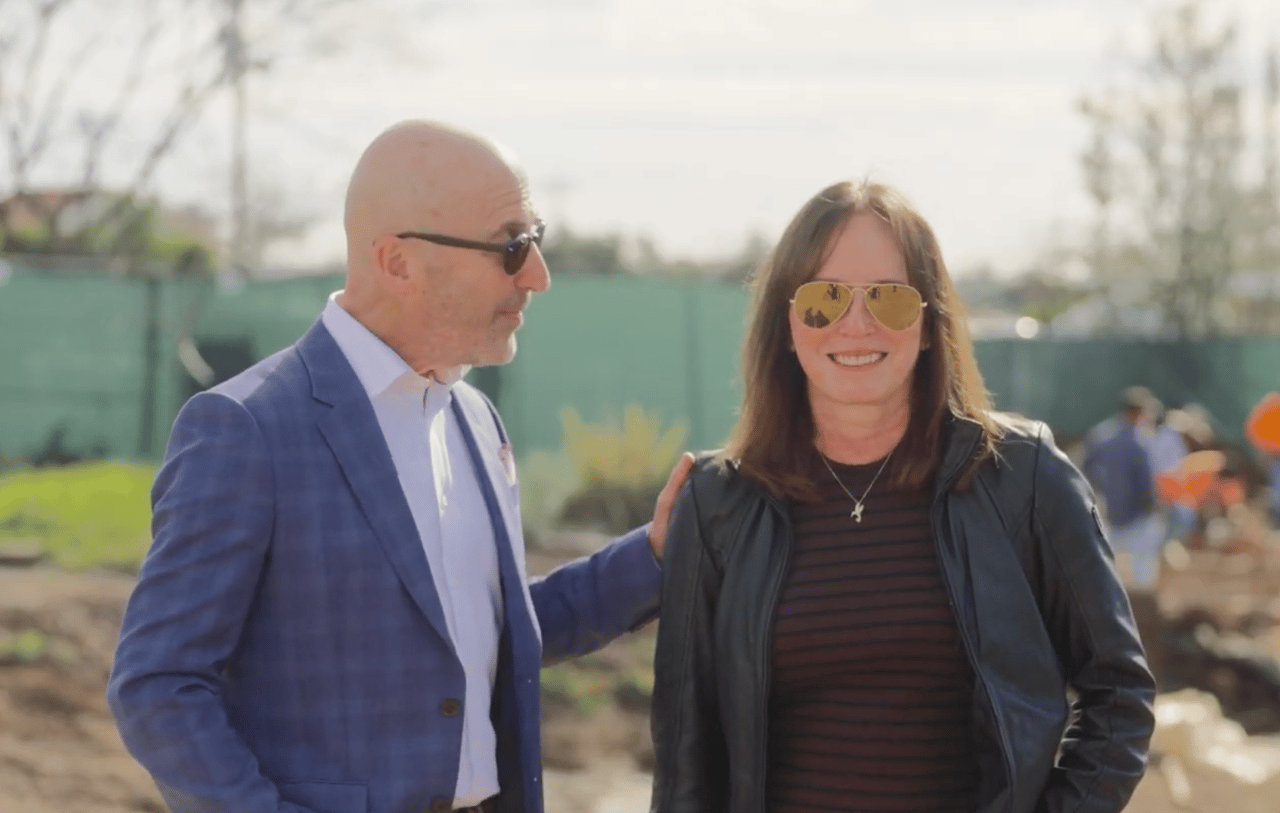
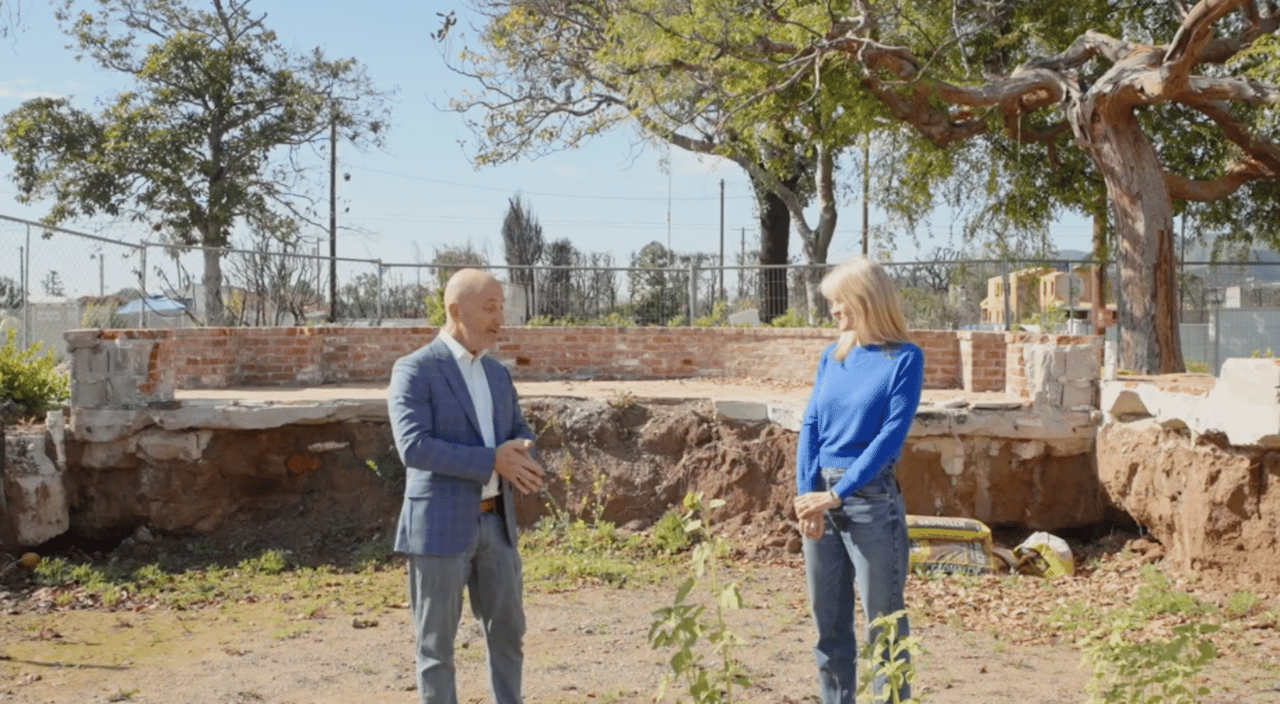
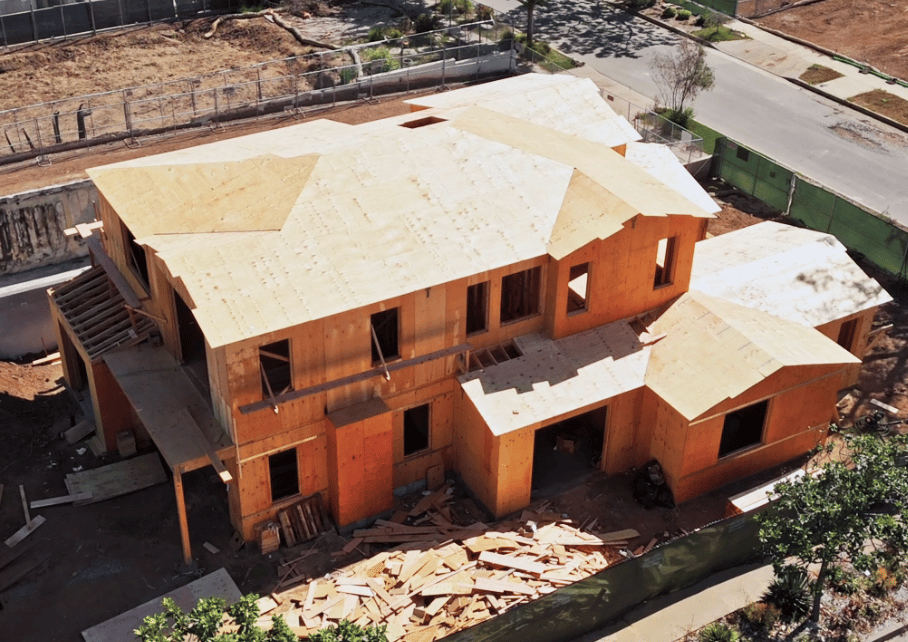
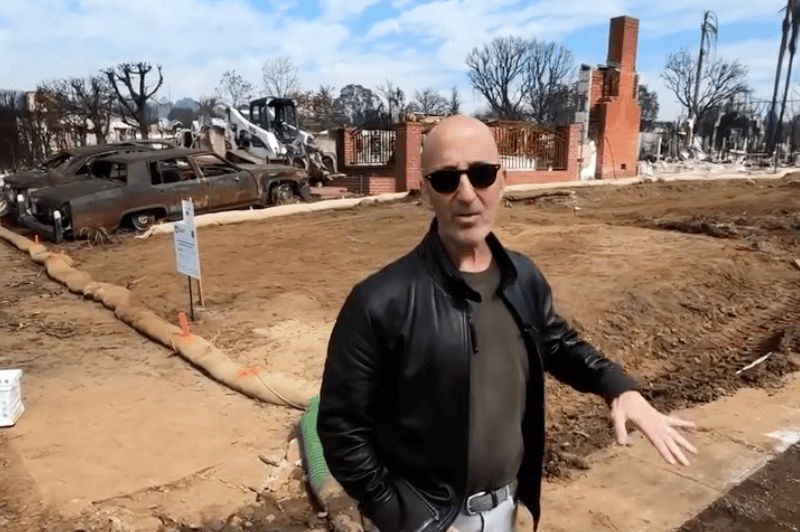
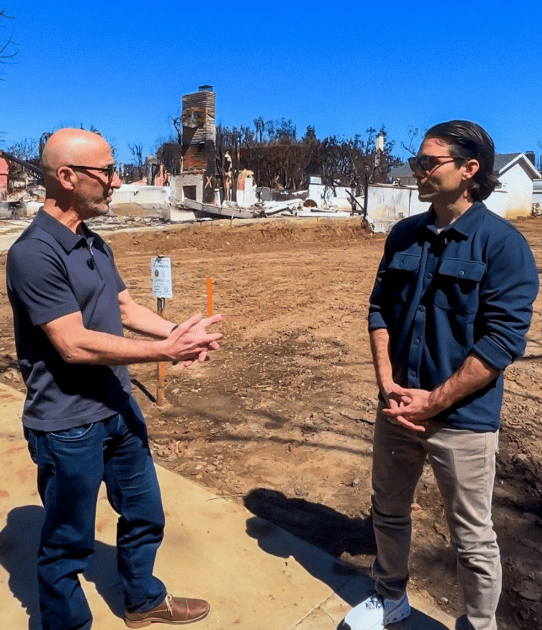
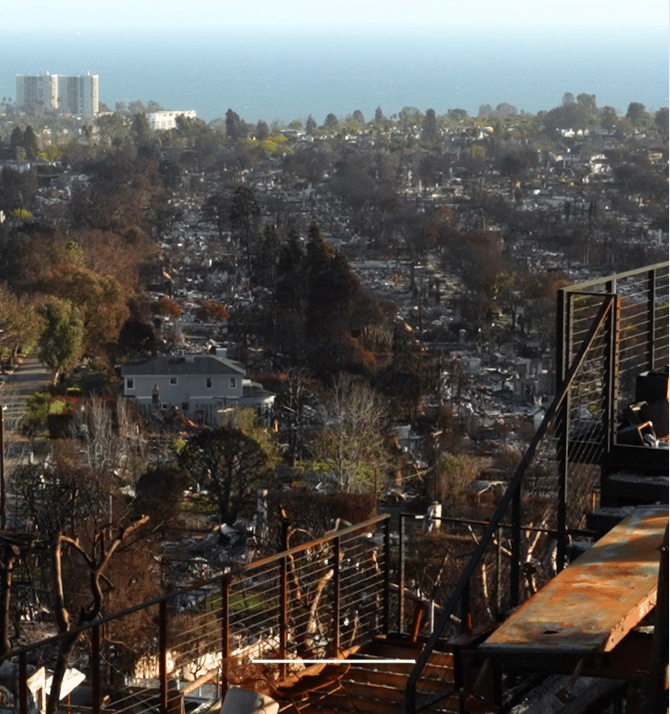
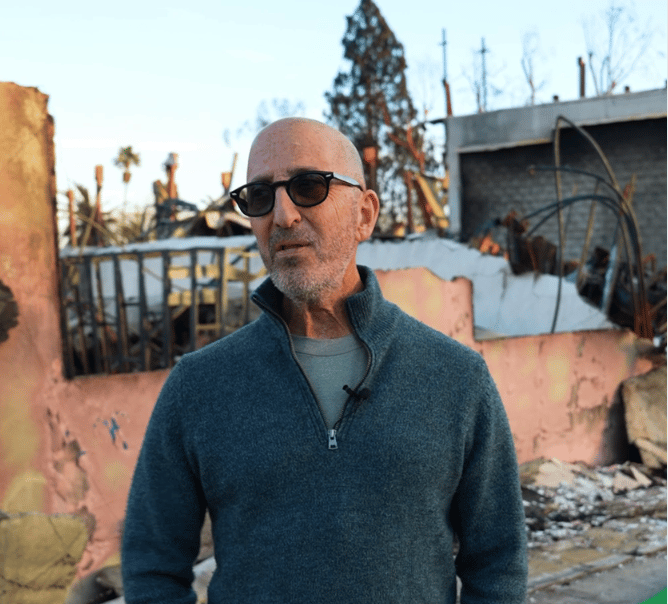
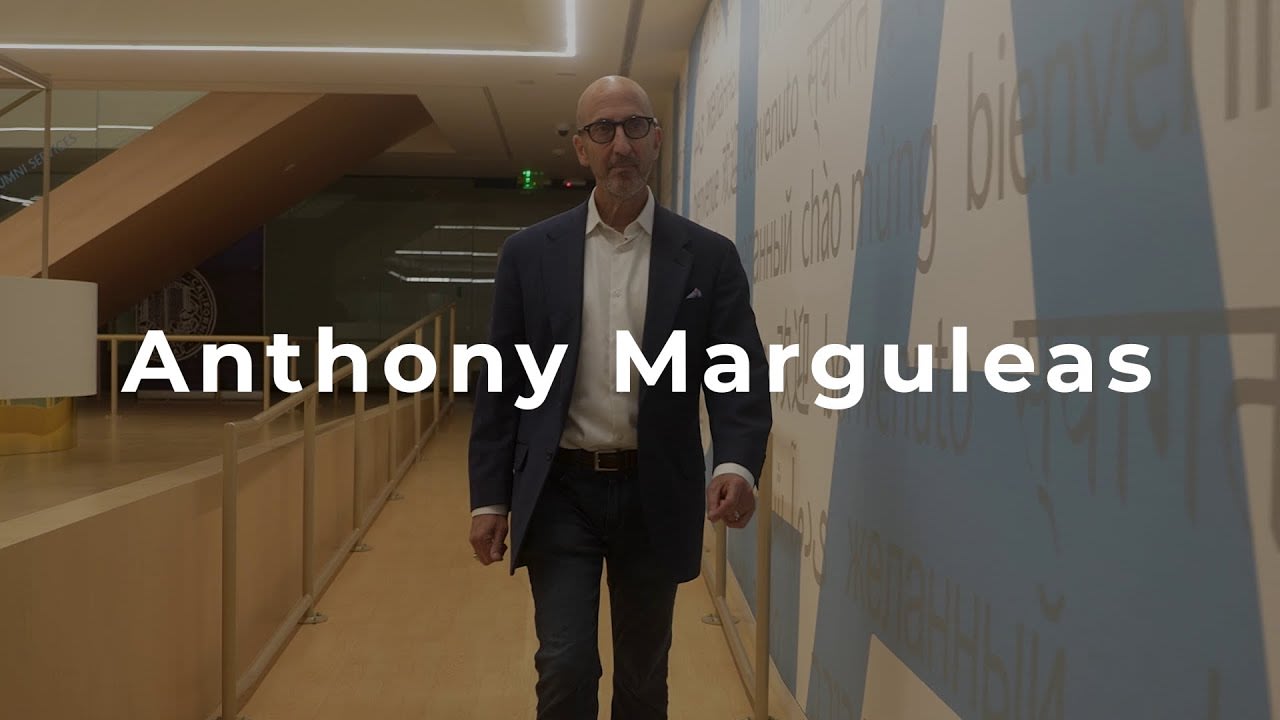
One year after losing their home in the fires, Anthony and Sue Marguleas are making meaningful progress rebuilding in the Alphabet Streets.
Planting Trees to Honor Lives Lost
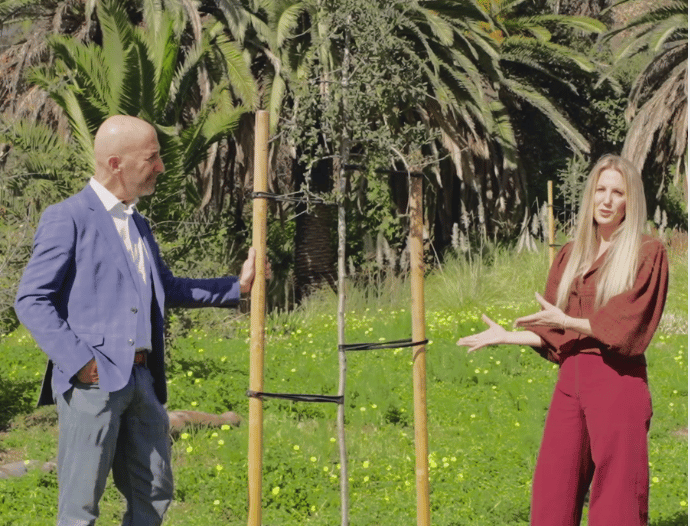
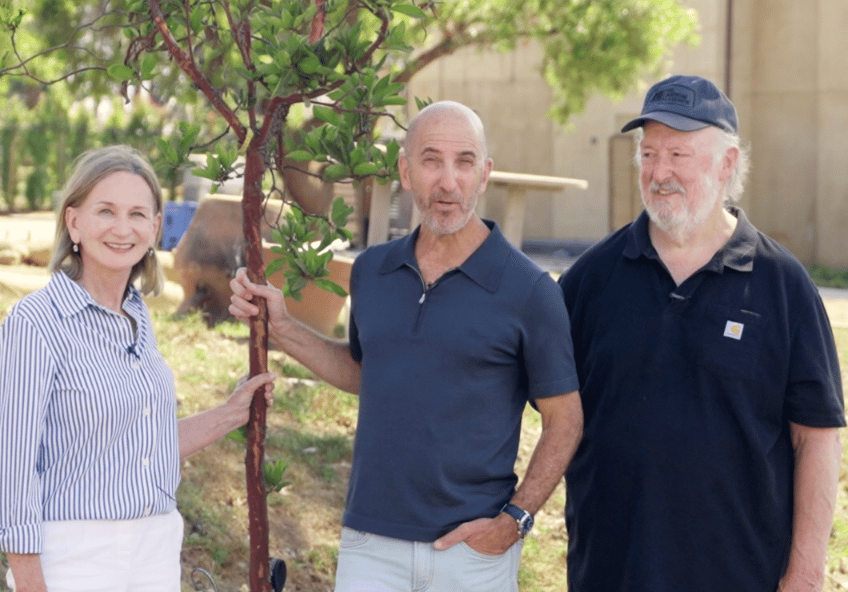
A new living memorial is taking root in the Palisades. In partnership with the Ahmanson Foundation, Palisades Forestry, TreePeople, and the Long Term Recovery Group
The Seedbomb Project
The Seed Bomb Project is helping restore fire-impacted land in the Palisades and Altadena using native wildflower seed bombs.
Palisades Charter High School Reopens
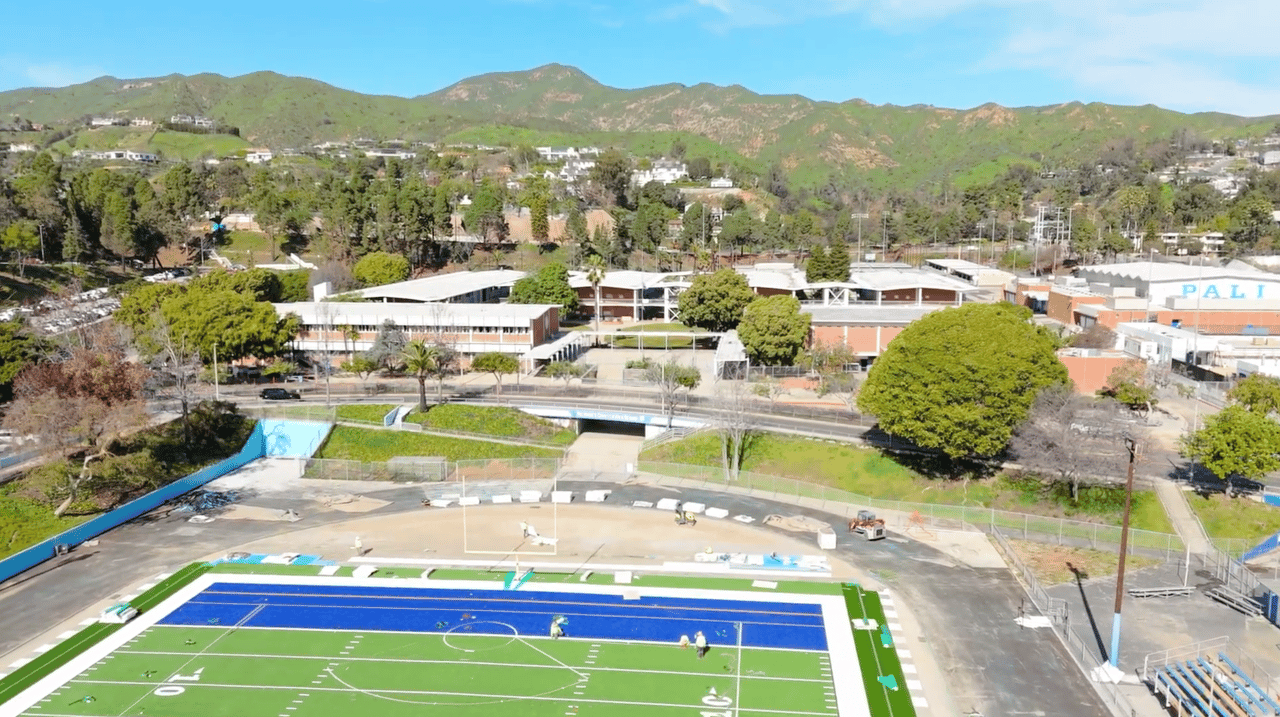
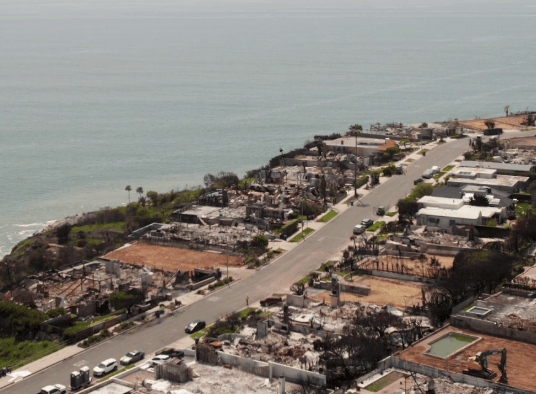
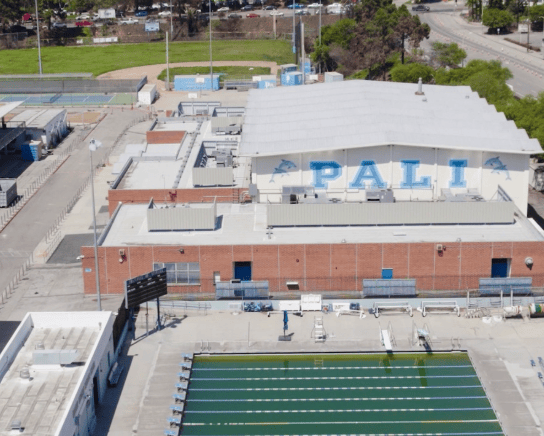
Great news for the Palisades community. After more than a year following the devastating Palisades Fire, Palisades Charter High School has officially reopened
Will rebuilding in the Palisades & Altadena drive up costs?
Palisades Update: After so many homes were affected by the recent wildfires in the Palisades and Altadena, the idea of rebuilding thousands of homes can sound daunting — especially when people worry about labor shortages or rising costs.
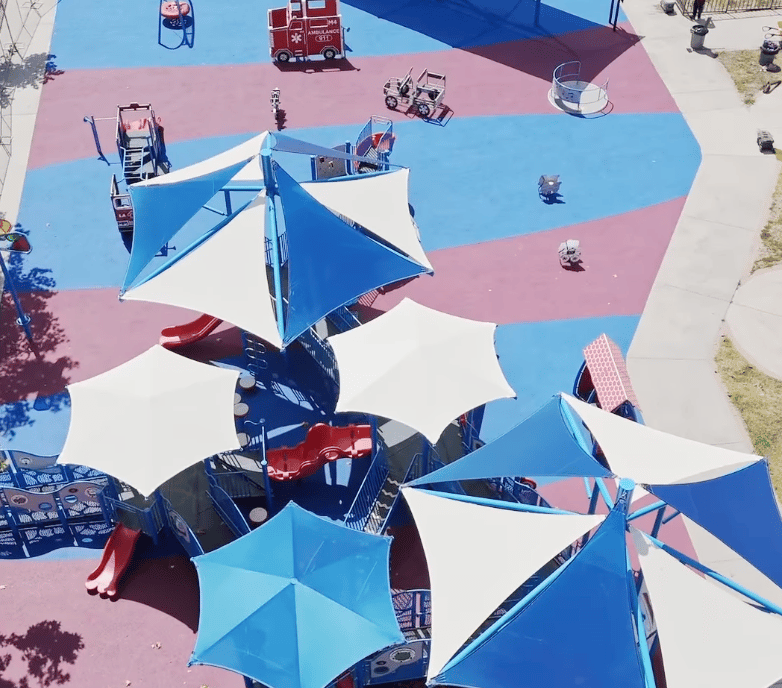
New Playground at Palisades Rec Center
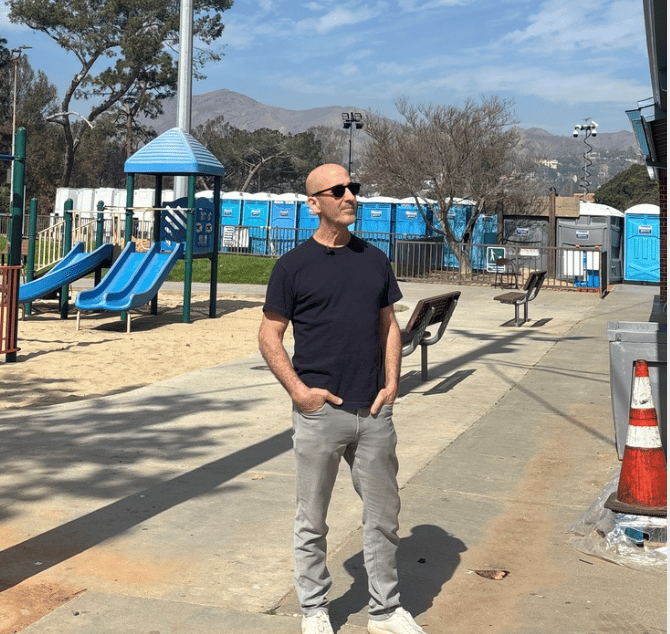
The Rec Center is getting a major upgrade with a vibrant new playground made from recycled rubber — soft, safe, and sustainably built.
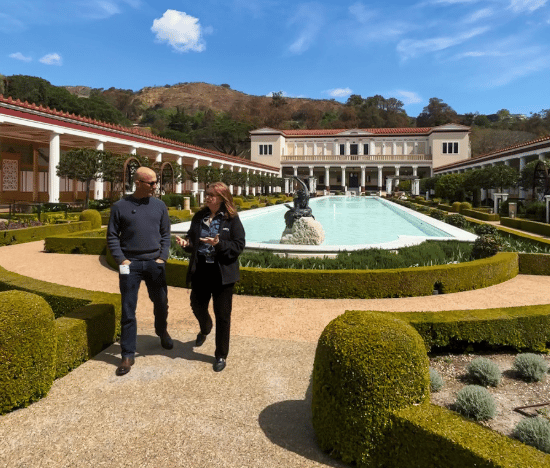
How the Getty Survived the Palisades Fire
The Getty Villa property experienced direct fire impact, with flames reaching the site itself. Over 200 severely damaged trees have been removed in the past week alone.
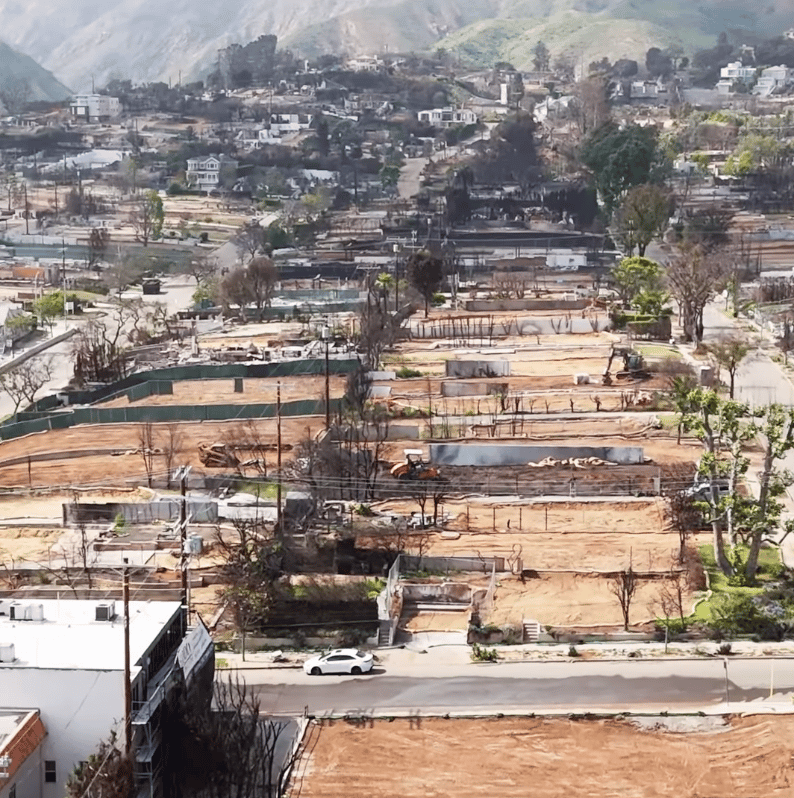
Phase 2 Begins – First Lot Cleared for Rebuilding!
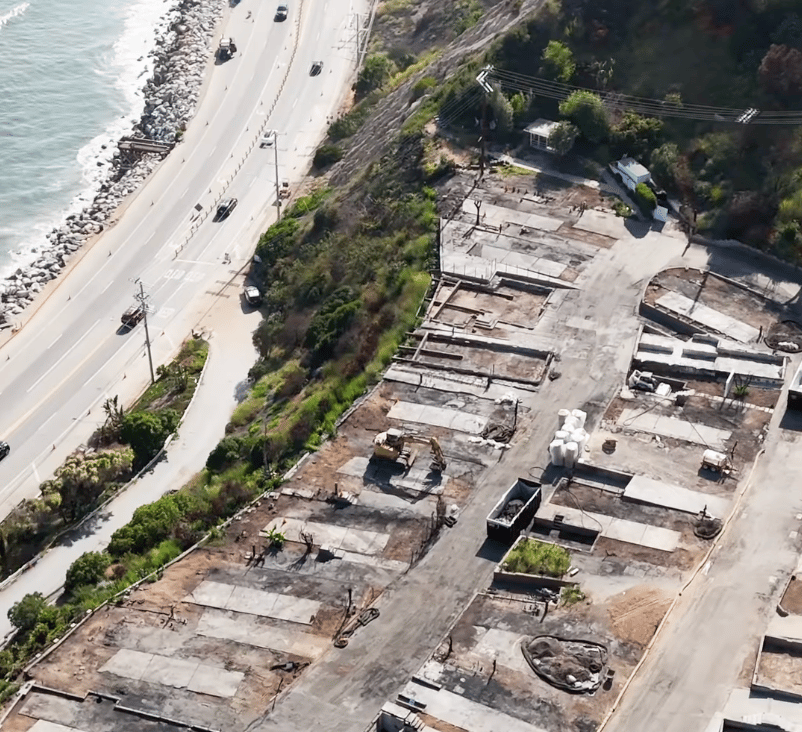
The first lot in Phase 2 of debris removal has been cleared by a private contractor—a major step forward in the recovery process. 🔥🚧
On-Site Debris Recycling at Temescal Canyon
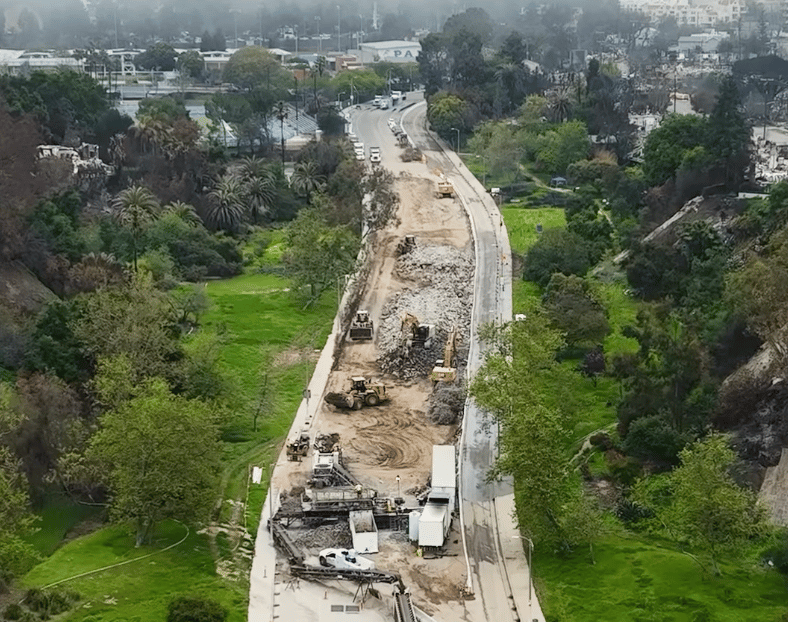
Cleanup efforts in Temescal Canyon has been the fastest and most efficient post-disaster cleanup in recent history. Instead of transporting debris offsite, concrete and steel from fire-damaged homes are being processed and recycled right here in the area.
What’s That Green Stuff on Cleared Lots?
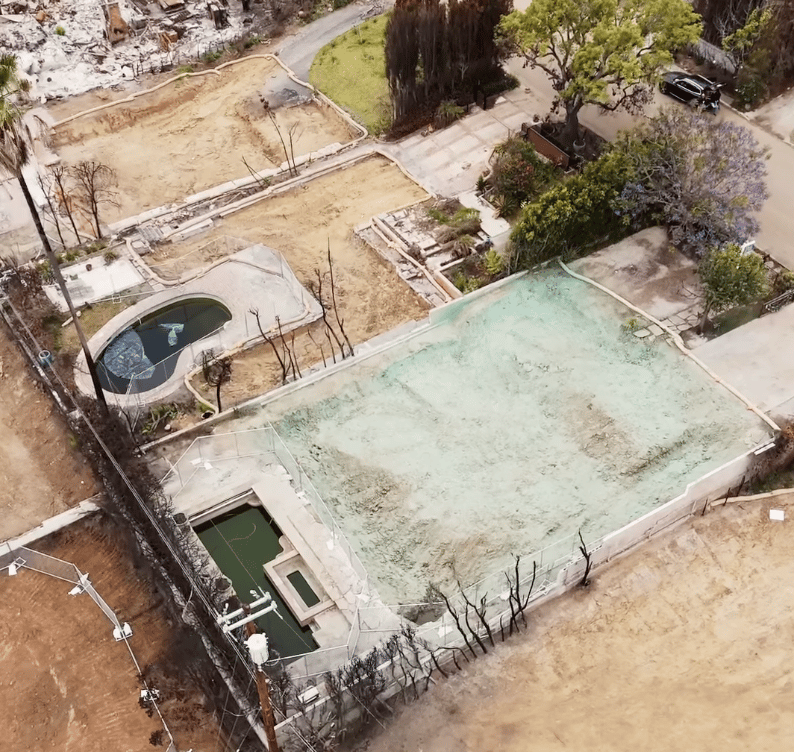
It’s called hydroseed (or hydromulch) and is applied by the Army Corps of Engineers after a lot is cleared.
Debris Removal at Bollinger Drive
The Army Corps of Engineers has made substantial progress, clearing over 3,200 of 6,500 lots in 4.5 months, significantly exceeding the original 18-month timeline. This rate of approximately 57 properties cleared daily demonstrates their effectiveness in the Palisades' rebuilding efforts. Our listing on Bollinger Drive is a prime example.
1Pali Rooted In Resilience: A Palisades Gathering
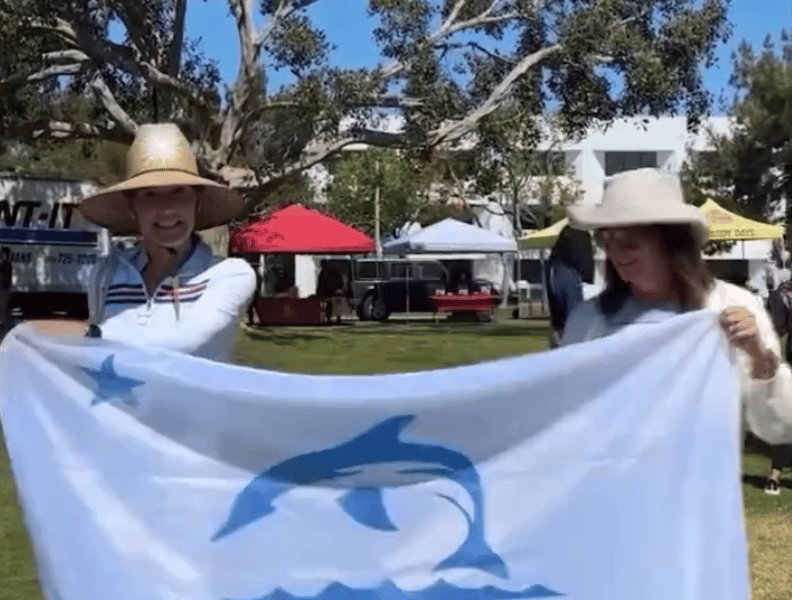
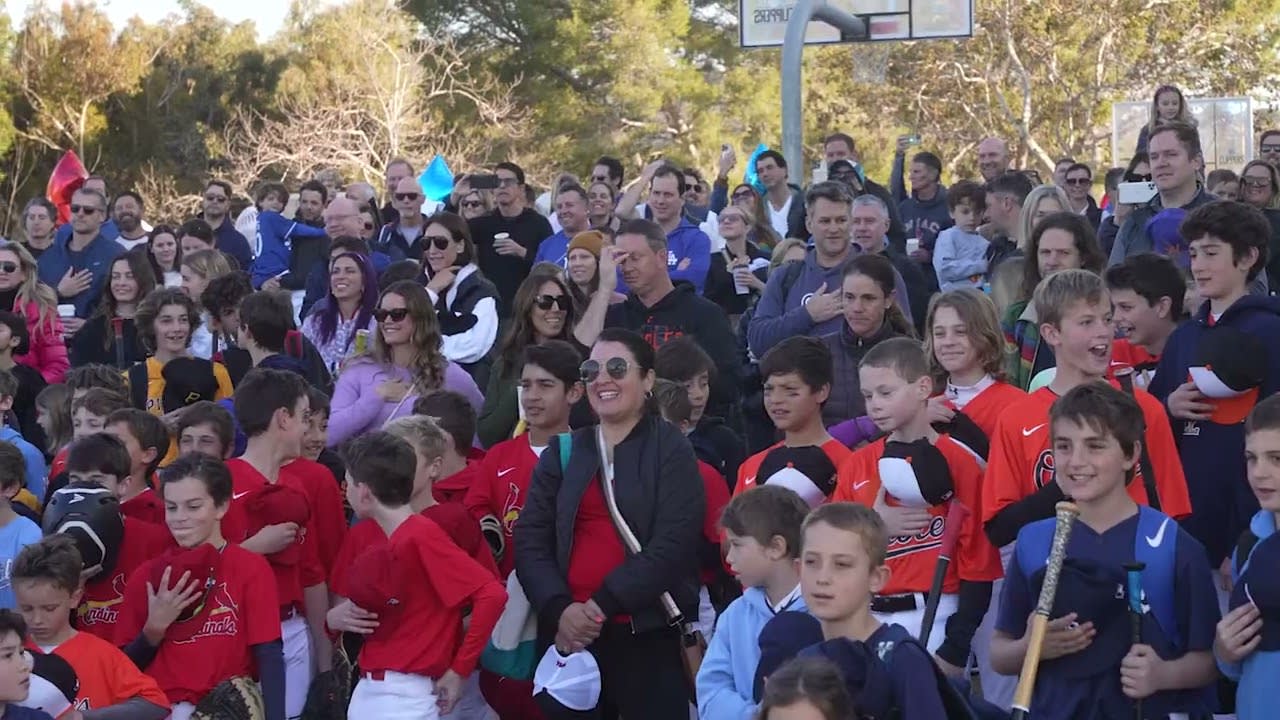
Catch the recap of April 19th’s Rooted in Resilience: a Palisades gathering event — a day that brought our community together in the best way.
Sunset Mesa Update
Sunset Mesa, a neighborhood technically part of Malibu, is often considered by many Palisadians to be part of the Palisades.
Pacific Palisades Schools Updates
The U.S. Army Corps of Engineers has just announced they will now assist with cleanup at three local charter schools—Palisades Elementary, Palisades Charter High School, and Marquez Elementary.
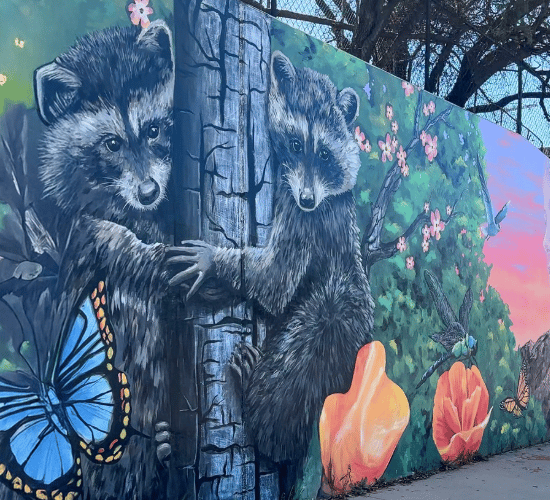
Art that Heals: A Mural of Hope for the Palisades
Kaye Steinsapir, leader of the Molly Steinsapir Foundation, shares the story behind a mural created by The Goodness Tour
Community Support Center Opens for Palisades Residents
The Palisades Wildfire Community Support Center offers essential resources for residents returning to the area. With on-site access to FEMA, the EPA, the Army Corps of Engineers, and the SBA, residents can easily get the support they need. The center also provides emotional support, with clergy and therapists available to help those coping with loss and the rebuilding process.
First Restaurant Reopens in the Palisades!
Palisades Garden Café is the first restaurant to reopen since the fire, marking an important step toward recovery. As more businesses work toward reopening, community support will be essential in helping them stay open, rebuild, and bring life back to the area. Be sure to stop by and support local businesses as they work to reopen. Every visit helps bring the Palisades community back stronger.
Why Two Identical Lots Have Different Values
Two lots with the same size and the same view, yet one is worth up to $200,000 more. Why? The key factor is rebuild regulations. If a larger home existed before the fire, owners can fast track approvals and start rebuilding in just 30 days. But if the previous home was smaller and the owner wants to expand, they could face an approval process lasting over a year. That time difference impacts carrying costs such as construction loans, property taxes, and insurance, all adding up to a significant financial difference. For homeowners and investors, knowing these rules is crucial when planning to rebuild in the Palisades.
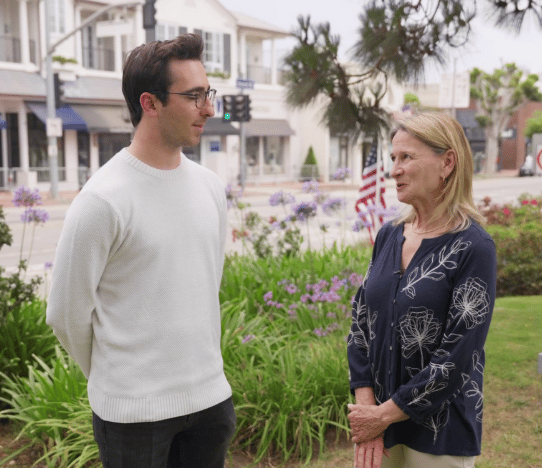
Nature Rebuilds Too: Spring in the Palisades
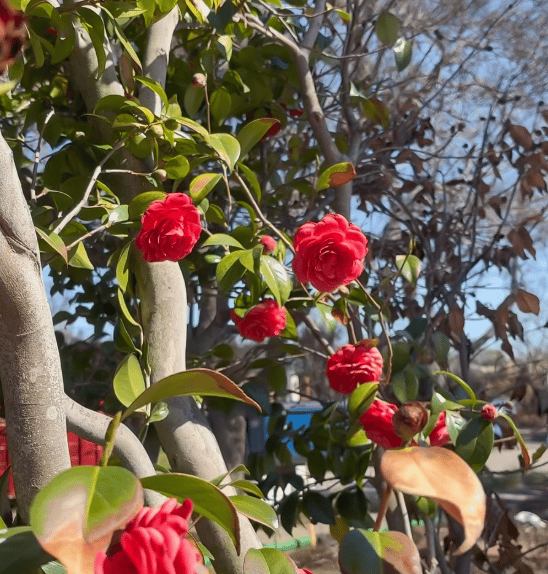
As spring arrives in the Palisades, new growth is emerging in the areas affected by the fire. Flowers are beginning to bloom, a quiet reminder that recovery, like nature, is a steady process. While there is still much to rebuild, signs of renewal are already taking root.
Ben's Lot First Construction
Ben is set to be one of the first homeowners to receive construction permit approvals and start rebuilding. He opted to work with a private contractor and is in the final stages of site clearing. If all goes as planned, construction could begin in 8-12 weeks
Lost in the Fire… FOUND in the Ashes!
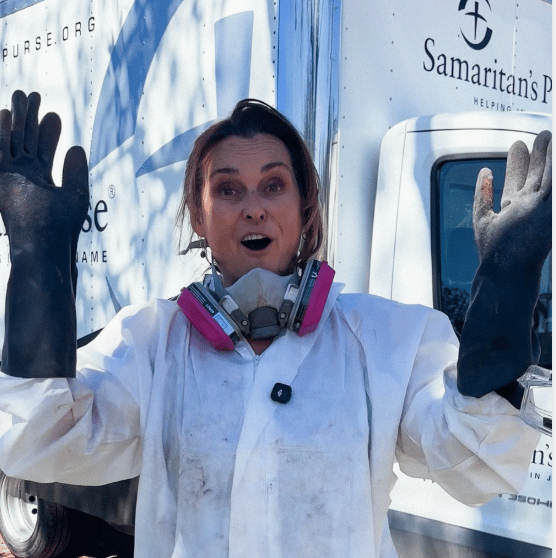
Samaritan’s Purse has been on the ground helping homeowners go through fire debris—at no cost—to recover anything that may have survived. One of the people they assisted was Kimberly, who, after hours of searching with their team, was able to find her wedding ring, something she thought was lost.
Which homes survived the Palisades Fire?
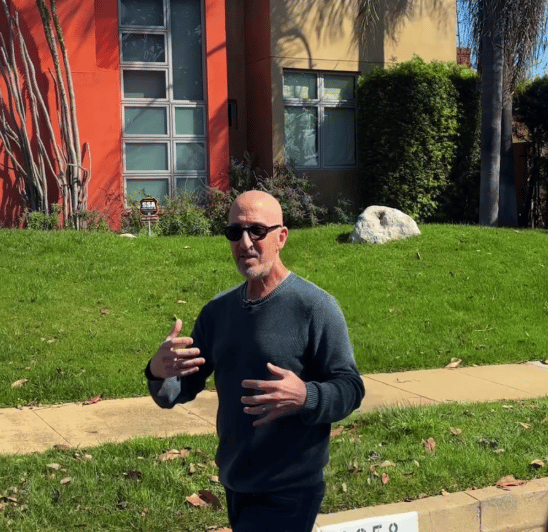
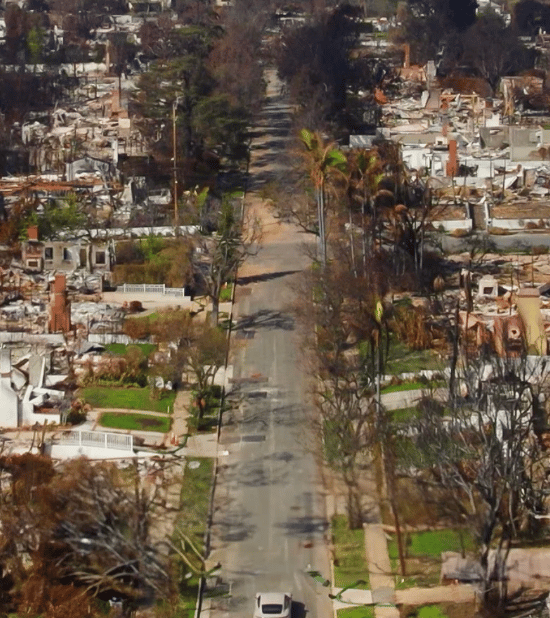
Out of nearly 1,000 properties on Alphabet Street, only 5 or 6 homes remained standing after the fire. This home survived because it had no neighboring houses, lacked the typical 5-foot setbacks, and didn’t have dense vegetation or structures nearby to fuel the flames. This proves how defensible space and fire-resistant planning can make a critical difference in wildfire survival.
Restoring Power in Pacific Palisades
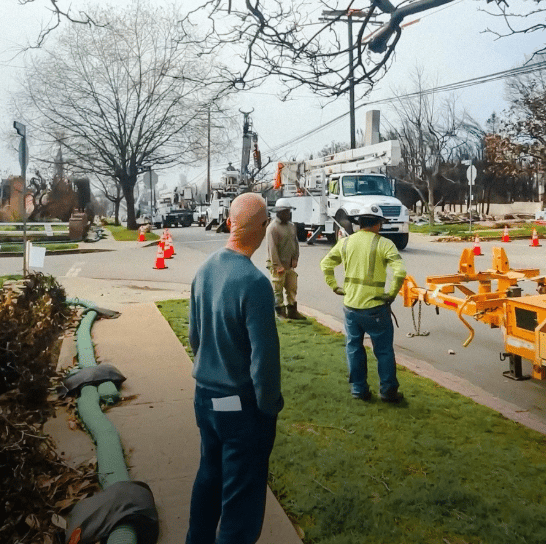
The Department of Water and Power (DWP) is actively working to restore electricity to 1,000 homes affected by the recent damage. Crews are removing fire-damaged poles and installing new ones to reestablish power as quickly as possible.
Fire Safety in Pacific Palisades – What Can Be Done?
After the recent fire in Pacific Palisades, concerns are growing over emergency vehicle access in the neighborhood. 74 streets have been deemed too narrow for fire trucks, violating fire codes.
What Do These Tree Symbols Mean?
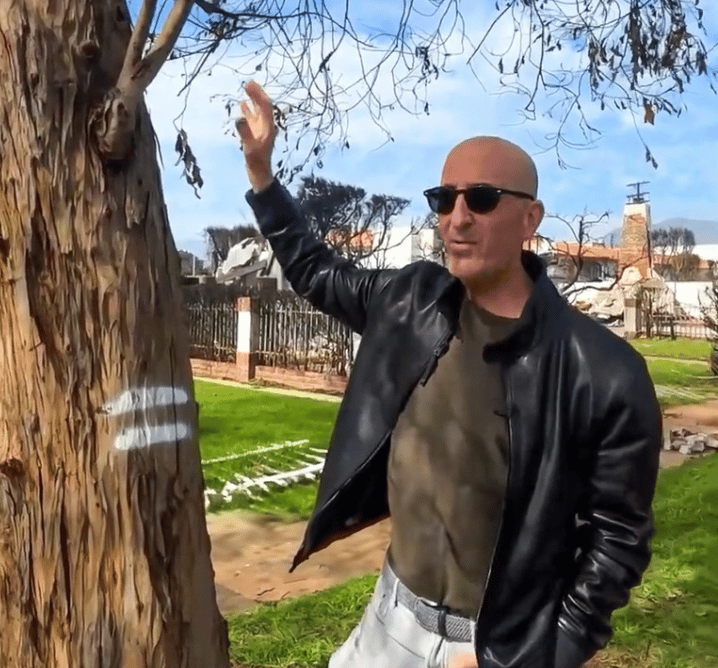
When a wildfire sweeps through an area, the damage doesn't end with the flames. Weakened trees can become hidden dangers, posing risks long after the fire is out. To manage these risks and protect communities, forestry specialists assess and mark trees based on their hazard level.
Palisades Fire: A Moment Frozen in Time
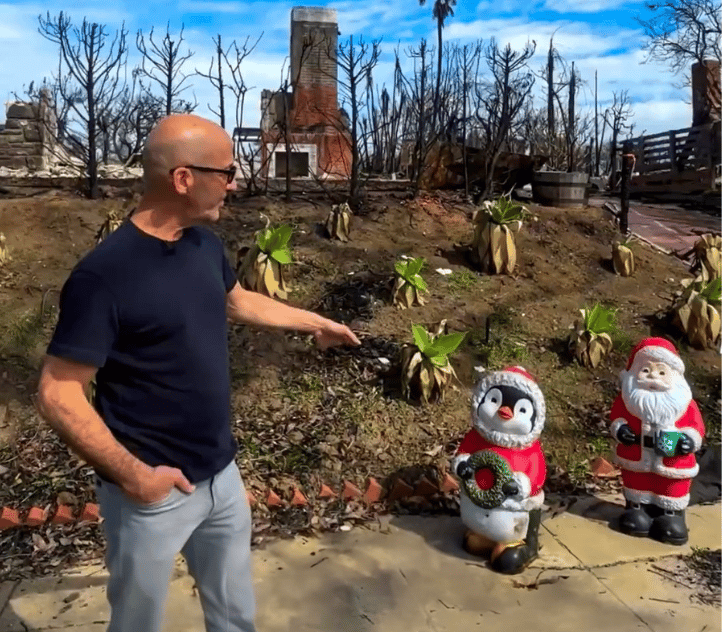
In the aftermath of the Palisades fire, time feels paused. Christmas decorations are still up in March, a reminder that life was briefly put on hold when the fire broke out on January 7th—just weeks after the holidays. It’s a visible sign of how natural disasters can interrupt daily life, leaving small reminders of the moment they occurred.
What is going to happen the Palisades Rec Center & Library?
Two key areas in the Pacific Palisades still face uncertainty in their rebuilding efforts—the rec center and the library, both essential to the heart of this community.
The Palisades Library, located in the center of town near the park, was completely destroyed. Built nearly 15 years ago, it played a vital role in bringing the community together.
The city lacks the funds to rebuild, meaning private fundraising will likely be needed. The hope? To rebuild stronger and better than before.
EPA Cleanup In Pacific Palisades
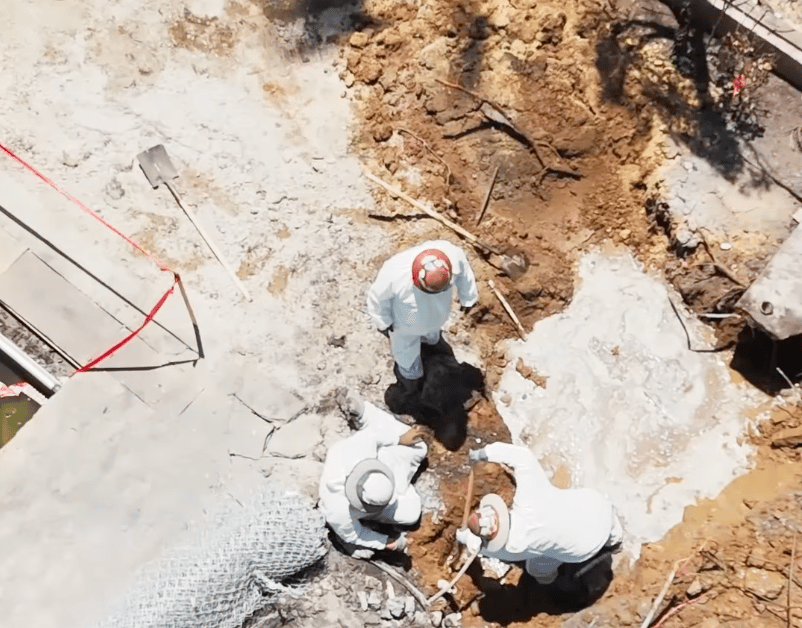
Wildfire cleanup is underway in the Palisades, starting with the Alphabet Streets. In Phase 1, the U.S. Environmental Protection Agency (EPA), in coordination with the California Department of Toxic Substances Control, is removing hazardous materials like asbestos, paint, and chemicals. This phase is free for residents. Phase 2 will focus on clearing debris within the ash boundaries, after which homeowners will need to remove driveways and trees, with guidance to help protect certain property features.
Mass Exodus in Pacific Palisades?
If you’ve been hearing talk of a ‘mass exodus’ from Pacific Palisades, let’s set the record straight. While the recent wildfires caused significant damage, the vast majority of homeowners are committed to rebuilding—not leaving. History shows that after major wildfires, property values recover, and that’s exactly what we expect here. Within the next 5-6 years, Pacific Palisades will be stronger than before. This is not an exodus—it’s a resurgence.
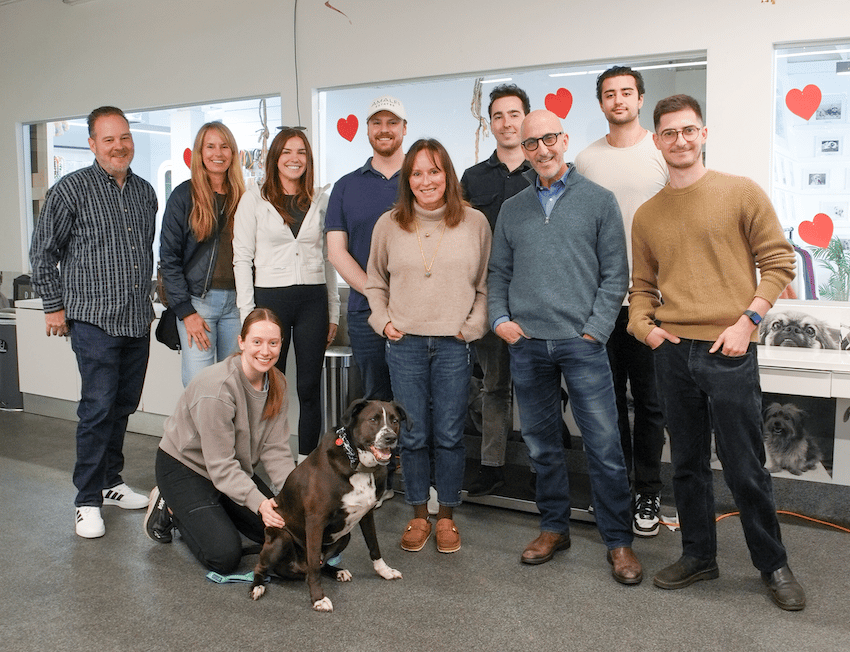
Helping families find homes and helping pups find theirs. We spent the day volunteering with Wags & Walks, an incredible organization that has rescued more than 15,000 dogs since 2011.